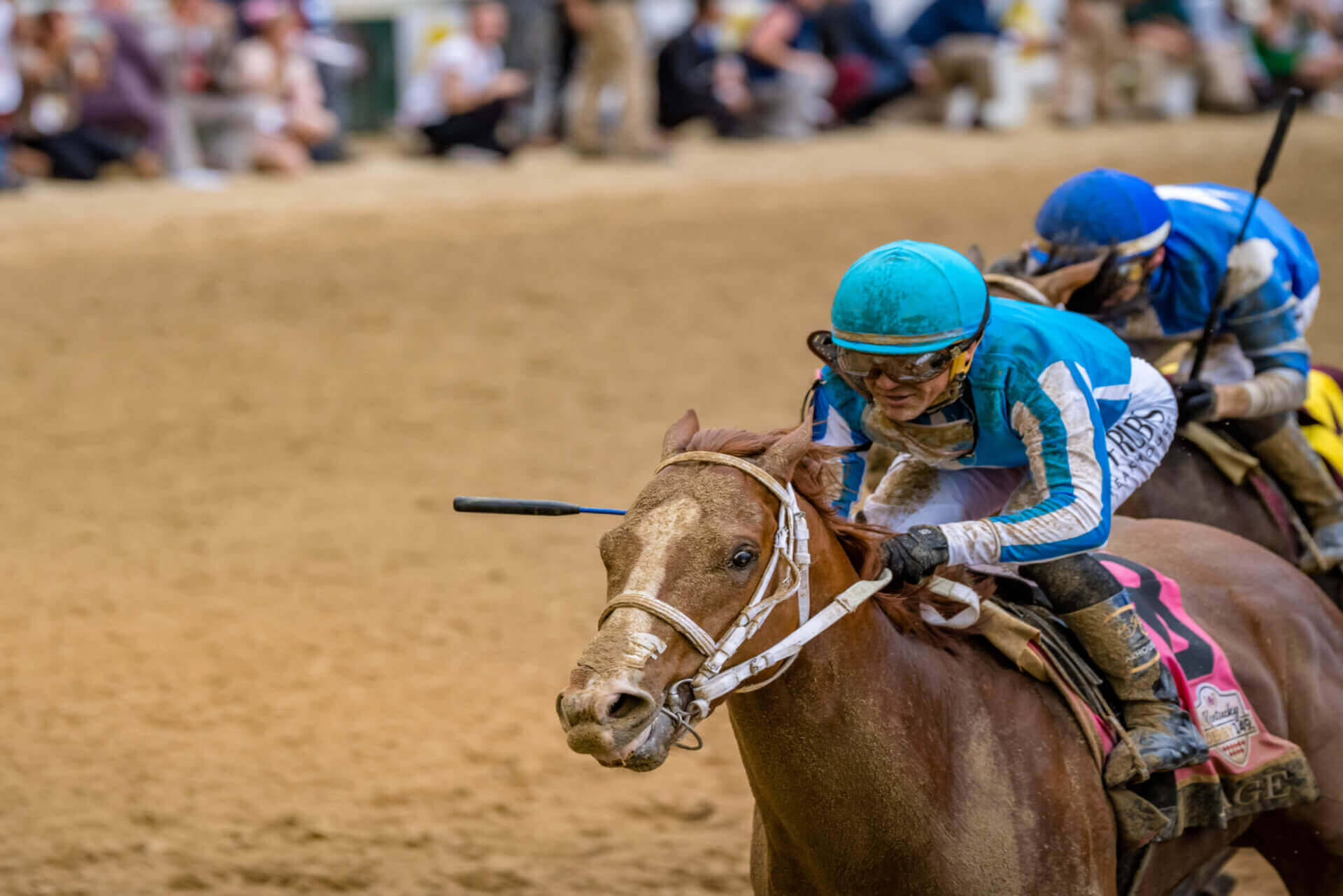
The Unwavering Spirit of Horse Racing: A Deep Dive
Horse racing is a sport steeped in history, tradition, and excitement. It is a bulwark against adversity and a testament to human and equine perseverance. In a time where many sports face challenges such as regulation changes, economic hardship, and shifting audience preferences, horse racing continues to maintain its charm and allure. Just as the horses gallop on the tracks, the spirit of horse racing pushes forward, unhindered by obstacles. For more insights on the equestrian aspect of this sport, you can visit horse racing not blocked by GamStop merseysidepolicemounted.uk, which highlights the critical role of mounted units in our communities.
The Rich History of Horse Racing
Horse racing has its origins tracing back to the ancient times of chariot races in Greece and Rome, evolving over centuries into the structured sport we know today. The earliest documented horse races date back to 4500 B.C. in Central Asia, where horses were first domesticated. In the UK, horse racing took off in the 12th century with a significant boost from the Normans. The establishment of the earliest racecourses, such as the legendary Newmarket, played a crucial role in the sport’s development.
The Variety of Races
There are various forms of horse racing, each with its unique characteristics and appeal. Thoroughbred racing is one of the most recognized, known for its high stakes and speed. Other forms include Standardbred racing, which typically features harness racing, and quarter horse racing, a fast-paced sprint over short distances. Each racing type offers its own set of challenges and thrills, catering to different audiences and participants.
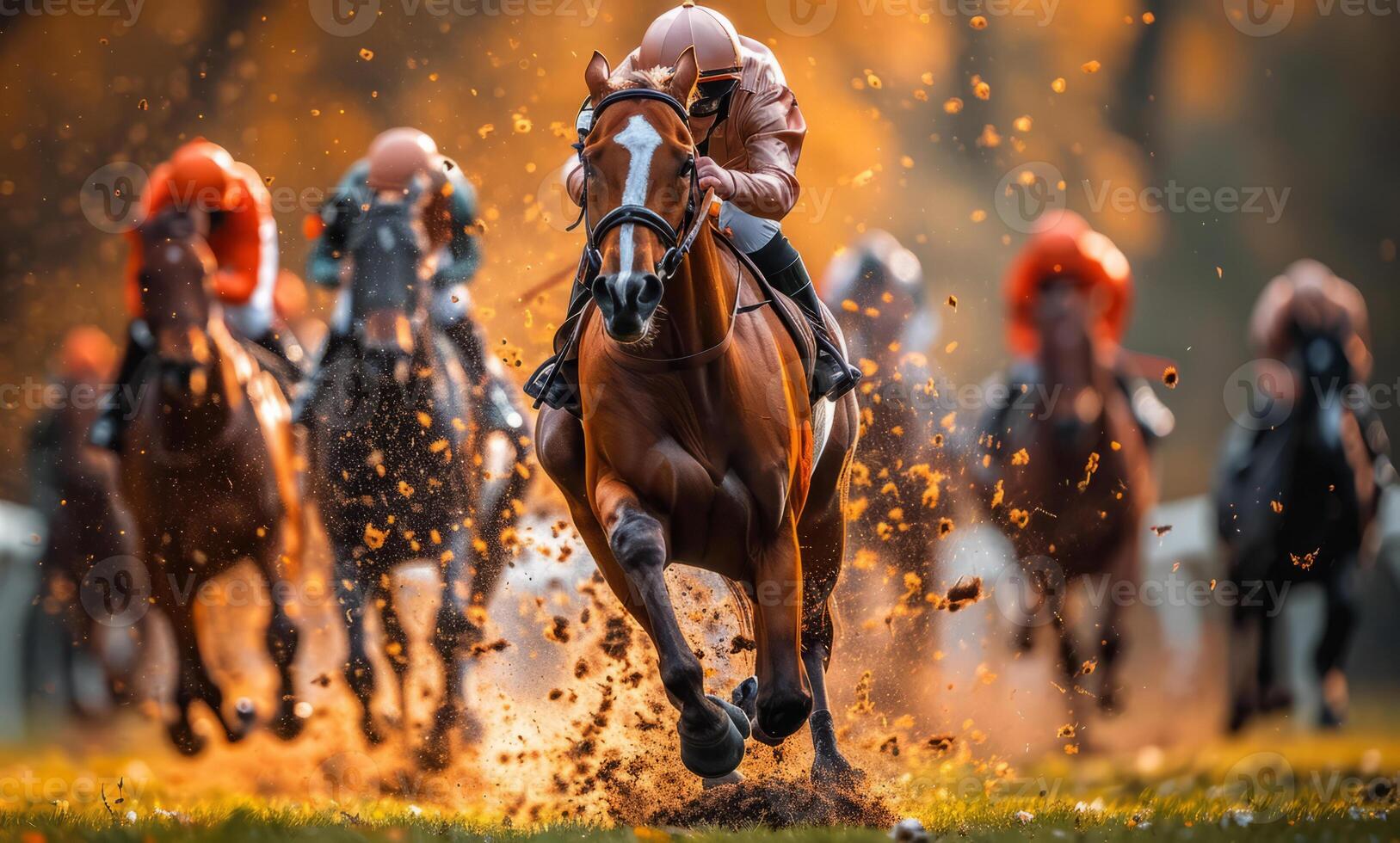
Thoroughbred Racing: The Pinnacle of the Sport
Thoroughbred racing, in particular, has garnered significant attention worldwide. The Triple Crown races in the United States—Kentucky Derby, Preakness Stakes, and Belmont Stakes—are some of the most prestigious events in the equine calendar. The excitement of watching these majestic horses sprint down the track, each vying for victory, captivates audiences both in person and on broadcast.
The Culture and Community Surrounding Horse Racing
Horse racing is more than just a contest of speed; it’s an integral part of community life. Events such as the Royal Ascot or the Melbourne Cup serve as cultural touchstones and social gatherings. The mingling of fashion, betting, and the thrill of the competition creates a unique atmosphere that draws not just racing enthusiasts but also those who simply wish to experience the excitement of the day.
Betting: The Financial Backbone
Betting is a significant aspect of horse racing, adding an additional layer of excitement for spectators. Wagering not only boosts the sport’s revenue but also engages fans on a deeper level as they cheer for their chosen horses. In recent years, online betting platforms have revolutionized how fans interact with the sport, expanding its reach and accessibility.
Challenges and Resilience in Horse Racing
Despite its enduring popularity, horse racing has not faced challenges in modern times. Issues such as concerns over animal welfare, drug use, and the economic impact of global events have put the sport under scrutiny. However, the horse racing community has shown resilience and adaptability in addressing these concerns. Initiatives to ensure the safety and well-being of racehorses, as well as transparency measures in betting and race practices, have been implemented to maintain the sport’s integrity.
Global Perspectives: Horse Racing Around the World
While horse racing has a prominent place in cultures across the globe, its expression varies widely from one region to another. In the Middle East, camel racing has become a spectacular event. In Australia, the Melbourne Cup is a public holiday, showcasing the sport’s societal importance. Each region celebrates its unique racing culture, bringing local horse breeds and traditions into the limelight.
The Future of Horse Racing
Looking towards the future, horse racing must continue to evolve to stay relevant. The incorporation of technology—such as high-definition tracking systems and data analytics—will provide insights into equine performance and fan engagement. Moreover, sustainability initiatives aiming to reduce the sport’s environmental impact are slowly gathering momentum, as the awareness of ecological issues rises among fans and participants alike.
Conclusion: An Unbroken Legacy
Horse racing is more than just a sport; it’s a legacy that embodies tradition, community spirit, and an unwavering commitment to excellence. Despite the challenges it faces, horse racing persists as a vibrant and dynamic sport that continues to engage millions around the world. As we move forward, the racing industry must embrace change while honoring its rich heritage—ensuring that horse racing remains forever gallant, spirited, and indeed, not blocked by adversity.
